 PopHorror Let's Get Scared
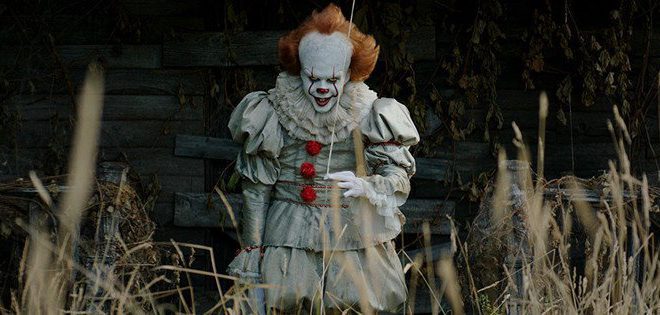
What makes It: Chapter One hit as hard as it does? And just as important, where does it trip over itself, according to some critics? Those are the kinds of questions horror fans keep coming back to. Because whether you love the movie or just think it’s “pretty good,” there’s something about it that sticks.
So first, the basics. If you somehow missed the giant clown-shaped cultural takeover: It: Chapter One is a 2017 supernatural horror film based on the 1986 novel by Stephen King. Directed by Andy Muschietti, it didn’t only do well. It blew up! Huge box office, strong reviews, and suddenly Pennywise was everywhere again, much as he was briefly in the early ’90s.
Not bad for a sewer-dwelling nightmare!
What The Movie’s Really About
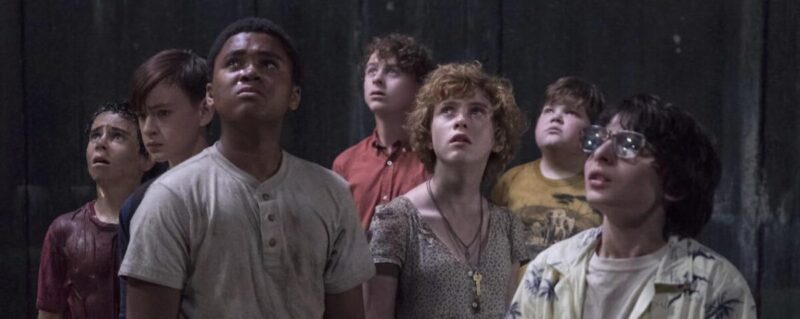
The story drops us into Derry, Maine. Small town. Quiet streets. Kids riding bikes. The usual. Except every few decades, kids start disappearing. And behind that? A shape-shifting thing that feeds on fear, usually showing up as Pennywise the Dancing Clown. Enter the Losers’ Club, a group of outcast kids dealing with their own messed-up lives, who decide to take a stand against something way bigger than them.
That’s the hook. But the real reason it works isn’t solely the monster. It’s also the kids.
Why It Works (When It Works)
The movie runs over two hours, which is usually a red flag for horror. But it mostly earns that time. The pacing moves, the group dynamic clicks, and the dialogue actually sounds like how kids talk, if those kids have their bratiness turned up a notch.
That chemistry is the backbone. Without it, this is could be more easily dismissed as a “scary clown jumps out of nowhere” movie (though, of course, some do still dismiss it like that). And yeah, the R rating helps. The language is filthy, the violence is real, and the imagery gets under your skin. It doesn’t feel sanitized, which makes it feel more real.
But let’s not pretend it’s perfect for everyone.
At times, for some of us, the movie tries a little too hard to be edgy. One character in particular pushes the loud, obnoxious thing so far that you either love him or start mentally tuning him out. Still, that kind of kid exists in real life, so it works, just not for everyone.
In fact, even the other kids tell him to reel it in a bit, in so many words. So, basically, even that “annoying kid” thing works, because we’ve all been there…and some of us have been that annoying before, and been called out for it. So, oddly enough, he can be a relatable character anyway.
The Young Cast Carries a Lot of Weight
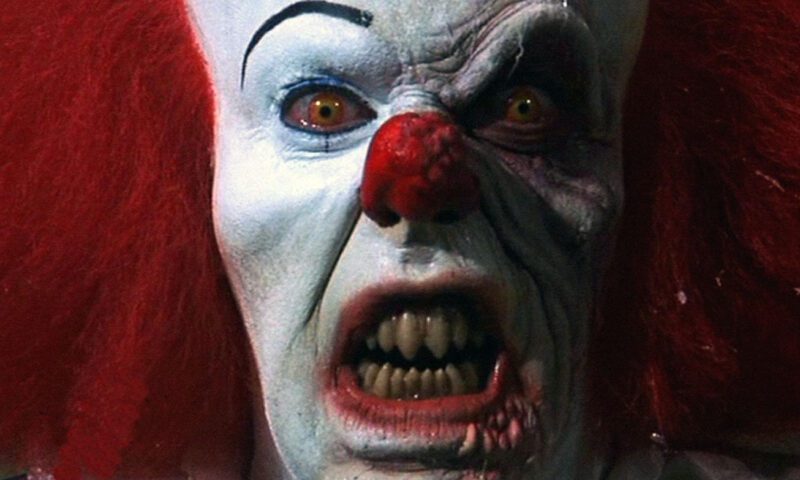
Bill Skarsgård as Pennywise is the obvious standout. His version is creepy, but it’s also wrong…in a way that’s oh so right. Like something pretending to be human and not quite getting it right. It’s a totally different flavor from Tim Curry’s take, which was, in some ways, more conventionally theatrical and sinister.
That being said, the younger cast does actually do much of the heavy lifting here, and they pull it off.
At the center, Jaeden Martell gives Bill a quiet, determined edge that holds the group together. Sophia Lillis brings a grounded, emotional weight to Beverly that keeps her from feeling like a stock character. And Finn Wolfhard, for better or worse, turns Richie into a nonstop stream of jokes and noise that either works perfectly or wears thin depending on your tolerance.
The key thing is they feel like an actual friend group, not just a cast. That’s rare.
The Story Isn’t Only About Clown Fear
Here’s the thing people don’t always say outright: It isn’t really about Pennywise…well, not entirely anyway.
It’s about fear in general. Growing up. Abuse. Loneliness. That feeling that adults either don’t get it or don’t care. That’s why it sticks with people. Strip out the clown, sell him for parts, and you still have a coming-of-age story that potentially works. The horror just amplifies it, putting the fear into a crazier form that’ll bite your arm off and drag you down the drain.
The chemistry is also why it gets compared to Stand by Me and shows like Stranger Things. Same DNA. Kids dealing with real-life problems, just with something supernatural and deadly layered on top.
Where It Could’ve Been Better
Now for the honest part that will have some arguing otherwise.
For some people, the movie sometimes relies too much on jump scares instead of letting tension breathe. You’ll get a genuinely creepy setup, then it cuts straight to a loud, in-your-face payoff. It works for most, but it’s the easiest trick in the book.
The deeper mythology also gets trimmed down, according to fans of the original, lengthier story. In the novel, Pennywise is tied to something much bigger and stranger. The film hints at that idea, then mostly keeps things simple and grounded in a more traditional monster framework.
Pennywise (or whatever “It” actually is) is kept mysterious, but sometimes adding more details could actually enhance the mystery a bit, rather than reduce it.
The final confrontation follows that pattern of keeping it relatively simple. According to some random reviews you’ll read, the novel has a strange, psychological showdown, while the movie goes for something more direct and physical. It’s easier to follow and still hinges on some psychological struggles with the monster, but it probably loses some of the uniqueness that made the original story stand out.
The 1990 Version vs. 2017
Before this, there was the 1990 miniseries starring Tim Curry. That version sticks closer to the book structurally (or at least some claim), but it’s clearly limited by what television could get away with at the time. The horror is toned down, the violence is restrained, and some of the violent edge is missing.
The 2017 version goes in the opposite direction. It holds onto its R rating and doesn’t hold back. The opening scene alone makes that clear. It’s harsher, more visual, and designed to be a “WTF moment.” Both versions have their strengths, but they’re aiming at different experiences.
The Real Reason ‘It’ Hit So Big
Horror movies don’t usually pull in over $700 million. It did because it hits multiple angles at once. It’s scary enough for horror fans, nostalgic enough for older audiences, and emotional enough for people who normally wouldn’t touch a horror movie. That balance is hard to pull off, and this one gets closer than most.
It: Chapter One mostly works because it understands something simple. You can’t just throw a monster at the audience and expect them to care. You have to give them people worth rooting for first.
Does it overdo the scares sometimes? Yeah. Does it simplify parts of the story? Definitely. But when it hits, it really hits. And that’s why people are still talking about a killer clown in a sewer almost a decade later.