 PopHorror Let's Get Scared
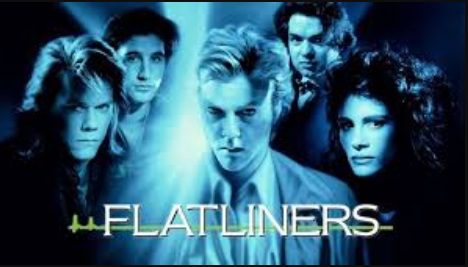
In the summer of 1990, director Joel Schumacher released Flatliners, a stylish psychological sci-fi horror-thriller that asked one dangerous question: what really happens after death? The film hit U.S. theaters on August 10, bringing neon shadows, gothic set design, and a cast of rising stars who would become household names in the decade ahead.
The Premise of Flatliners
At the heart of the story is Nelson Wright (Kiefer Sutherland), an ambitious, reckless medical student obsessed with the afterlife. Convinced he can solve the riddle of death, Nelson persuades his fellow students to join him in an experiment: stop their hearts for controlled intervals, then be revived by their peers. In other words — “flatline” to cross over, glimpse the other side, and return with knowledge no living person should have.
One by one, they take the plunge. At first, the visions are exhilarating. But soon, each near-death experience unleashes personal ghosts: traumas, guilt, and wrongdoings they can’t bury. These phantoms begin to claw into their waking lives in ways that blur the line between hallucination and supernatural retribution.
The Cast of Risk-Takers
The film’s strength lies not just in its high-concept hook but in the magnetism of its ensemble:
-
Kiefer Sutherland as Nelson Wright — the arrogant ringleader, willing to gamble his life for answers.
-
Julia Roberts as Rachel Manus — compassionate but scarred by her father’s suicide, giving the story its emotional core (or something like that).
-
Kevin Bacon as David Labraccio — principled and skeptical, warning of the moral fallout.
-
William Baldwin as Joe Hurley — smooth-talking and indulgent, tormented by his mistreatment of women.
-
Oliver Platt as Randy Steckle — the voice of reason and comic relief, more content to observe than risk crossing over.
Together, they form a dynamic mix of egos and vulnerabilities, creating a tense chemistry that drives the film forward.
Style and Themes
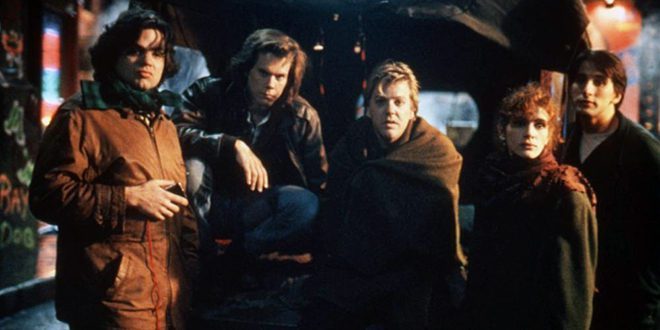
Flatliners is more than a thriller about medical students with a death wish. It’s a meditation on guilt, redemption, and how the past refuses to stay buried. Schumacher bathes the film in rich shadows, glowing blues and reds, and surreal dream imagery that feels part horror, part drama, with some gothic opera and even comedic elements thrown in. James Newton Howard’s eerie score adds to the unease, making the afterlife sequences feel both seductive and nightmarish.
Reception and Cult Status
Critics in 1990 were divided. Many praised the film’s visuals, its compelling performances, and its daring premise. Others argued it didn’t fully wrestle with the deep philosophical questions it raised, settling instead for surface-level thrills.
Audiences, however, were intrigued. The film earned modest box office success and, over time, developed a cult following. Today, it stands as a time capsule of early ’90s genre cinema — flashy, star-studded, and unafraid to blend supernatural chills with moral drama.
Legacy
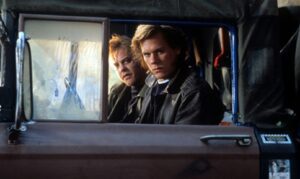
Flatliners has since been remembered as one of Schumacher’s most distinctive works. It also holds a unique place in pop culture history: a dark spin on the “Brat Pack” energy, where young, attractive stars don’t chase summer romance but tempt fate with mortality itself.
In 2017, a remake attempted to revive the concept, this time leaning harder into horror. Starring Elliot Page, Diego Luna, and Nina Dobrev, it was met with weaker reviews and little of the original’s staying power.
Still, the 1990 Flatliners remains a cult classic — a stylish and unsettling reminder that some doors, once opened, can’t easily be closed.