 PopHorror Let's Get Scared
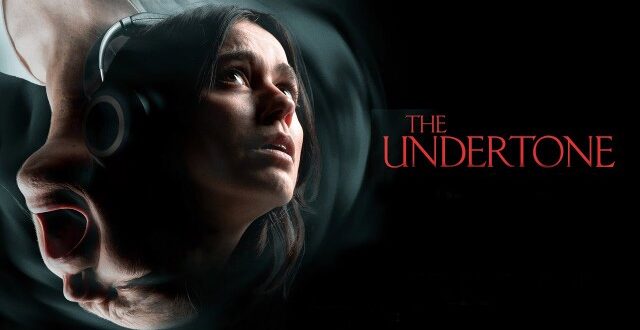
UNDERTONE (2026) is one of the more interesting horror films to come along in recent years, largely because it leans into a concept that feels both simple and fresh. Rather than relying on elaborate visuals or constant jump scares, the film builds its dread almost entirely through sound. It’s a bold choice, and for the most part, it works remarkably well.
The story centers on Evy (Nina Kiri), a paranormal podcast host who returns to her childhood home while caring for her dying mother. When a series of mysterious audio recordings begins to surface, what starts as another investigation for the podcast slowly spirals into something much darker and more personal. Much of the film takes place within the confines of a single house, which only adds to the claustrophobic feeling as Evy begins to question what is real and what might be lurking just beneath the surface.
What makes Undertone stand out is how effectively it uses silence and sound design to create tension. The film constantly plays with the audience’s expectations. Sometimes the camera simply lingers in a quiet room while faint noises echo in the background, forcing viewers to lean in and listen. Other times distorted recordings, reversed nursery rhymes, or barely audible whispers create an uneasy feeling that something is deeply wrong. It’s the kind of horror that creeps up on you rather than announcing itself loudly.
Nina Kiri admirably carries much of the film on her shoulders, and her performance helps anchor the story even during its slower moments. Because the movie often focuses on Evy alone in the house, her reactions and emotional unraveling become the driving force of the narrative. She convincingly portrays someone who begins as a skeptic but slowly becomes consumed by fear and obsession.
The film isn’t perfect. The premise is incredibly unique, but parts of the story occasionally drift into familiar horror territory. Certain plot developments feel like they belong to more traditional supernatural films, which slightly undercuts the originality of the concept. Still, even when the narrative becomes somewhat predictable, the atmosphere remains compelling.
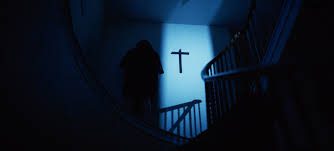
Ultimately, Undertone succeeds because of its creativity and restraint. It proves that horror doesn’t always need elaborate monsters or constant action to be effective. Sometimes the scariest moments come from what you hear rather than what you see. By focusing on sound and psychological tension, the film delivers an experience that feels both intimate and unsettling. It’s a reminder that in horror, imagination can be far more powerful than spectacle.
Catch this in theaters, if possible, to take advantage of the dynamic use of sound.