 PopHorror Let's Get Scared
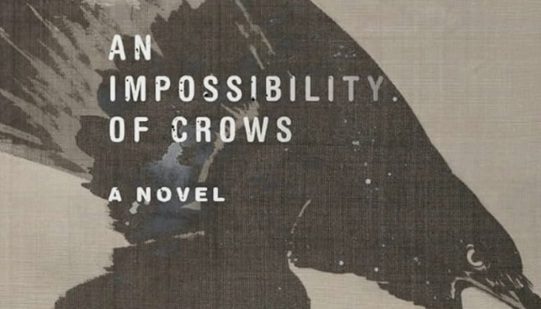
Kirsten Kaschock’s An Impossibility of Crows is a dark genre-blending novel that combines elements of gothic literature, psychological horror, and literary fiction. Published by the University of Massachusetts Press and part of the Juniper Prize for Fiction series. The novel explores themes of motherhood, obsession, generational trauma, and the uneasy relationship between love and control. The story follows Agnes Krahn – a chemist trained in Philadelphia who returns to her childhood home in the small Pennsylvania town of Letort after the death of her father. The farmhouse she grew up in carries a long and complicated family history – one deeply tied to strange folklore and a lingering presence of crows that circle the land. The Krahn family has lived there for generations – and the property itself seems steeped in inherited memory, grief, and quiet unease.
As Agnes settles back into the house, she finds herself drawn back into the strange legacy she once tried to escape. The environment of the farmhouse – isolated, steeped in family history, and shadowed by the nearby battlefields of Gettysburg. It creates an atmosphere where the past feels almost alive. While sorting through the remnants of her family life, Agnes discovers an abandoned crow’s nest in the barn. What begins as curiosity quickly turns into something much larger. Agnes becomes consumed by a bizarre and deeply personal experiment – she decides to breed a crow that will grow large and intelligent enough to carry her daughter to freedom.
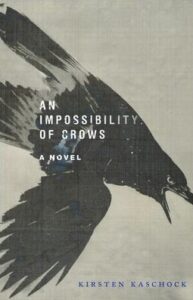
The idea stems from a complicated mixture of maternal devotion and ambition. In Agnes’s mind, the experiment represents a way to give Mina a kind of escape that she herself never experienced growing up. But as the bird grows, the experiment takes on a life of its own. The crow, both creature and symbol – becomes increasingly unsettling. As it develops intelligence, language, and a fierce will of its own – the boundaries between scientific curiosity and dangerous obsession begin to blur. Agnes’s experiment begins to mirror the tragic ambitions seen in Frankenstein – where the desire to create something extraordinary slowly spirals into something monstrous. What started as an act of love becomes tangled with control, desperation, and the unresolved wounds of the past.
One of the most compelling aspects of An Impossibility of Crows is how it explores the idea of inheritance – not only in terms of family history but also emotional and psychological patterns passed down through generations. Agnes grapples with the fear that she might repeat the same mistakes as the women before her. The crow becomes a physical manifestation of those fears and ambitions, growing larger as Agnes’s obsession deepens. deepens. Throughout the novel, the presence of crows carries heavy symbolic weight. In folklore – crows often represent death, transformation, intelligence, and the unknown, and Kaschock uses these associations to build an eerie atmosphere that lingers over the entire story. The birds hovering over the farmland feel almost supernatural, reinforcing the sense that Agnes’s experiment is connected to something deeper and older than science alone.
Ultimately – An Impossibility of Crows reads like a modern gothic story rooted in themes of motherhood, creation, and the dangers of unchecked ambition. Its eerie setting, unsettling imagery, and layered metaphors create a haunting reading experience. For readers who enjoy gothic literature, psychological horror, and stories that rely heavily on symbolism and metaphor – this novel offers a strange and memorable journey into obsession, inheritance, and the darker side of love.
Find it here