 PopHorror Let's Get Scared
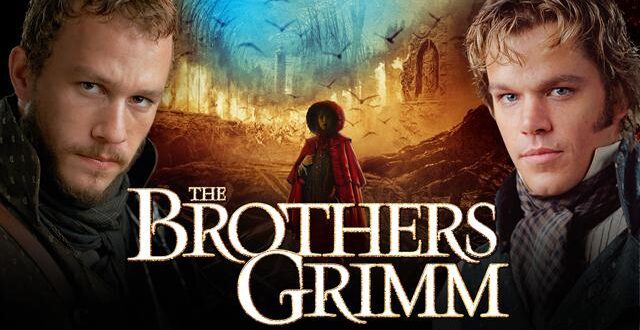
When The Brothers Grimm first hit theaters in 2005, it was dismissed by many as a messy Terry Gilliam experiment that felt like it didn’t know what it wanted to be. But twenty years later, the film deserves a second look through a different lens. Beneath the storybook aesthetic, hammy performances, and fantastical creatures, Gilliam crafted a movie that isn’t just about fairy tales, but is framed by real history and the attempt to snuff out the culture of early Germany.
At first glance, Brothers Grimm plays like a cheeky deconstruction of folklore. The film’s whimsical, storybook visuals, magical forests, cursed queens, and children lost to dark magic, are more than spectacle. Paired with Dario Marianelli’s sweeping score, they conjure the timeless beauty of folklore itself. It truly feels like watching a fairy tale brought to life.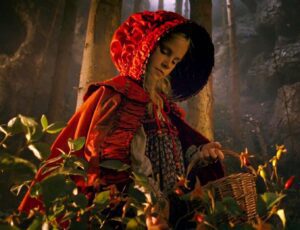
The brothers, Jacob and Wilhelm (Matt Damon and Heath Ledger), are frauds who stage supernatural hoaxes and profit off local superstition. The French occupiers mock them as con men feeding on peasant ignorance, but just as the brothers’ scams hide deeper truths, the movie’s playful surface conceals a serious theme: folklore as resistance in the face of a very real oppression.

As the brothers evolve from opportunistic charlatans to reluctant heroes, Gilliam mirrors the historical transformation of the Grimms’ real-life work. What began as the simple collecting of folktales became a vital project of cultural preservation during the French occupation of German states. Folklore was no longer “just stories,” it became a weapon against cultural erasure. The brothers’ journey from frauds to believers echoes this shift: they accept the truth of the tales, and in doing so, claim their role as defenders of culture. The Grimm Fairy Tales were seen as a symbol of unity in a broken Germany that was under the rule of French occupation.
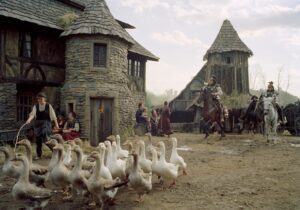
Like any true fairy tale, Gilliam gives the film a moral. Acceptance and true love, whether brotherly or romantic, are stronger than hate,intolerance and fear. The brothers’ bond, their love for Angelica (Lena Headey), and their willingness to embrace the “folklore” all stand against the French drive to silence tradition and rule by fear.
Two decades later, The Brothers Grimm plays less like a failed blockbuster and more like a fable about the power of culture under siege. Its exaggerated villains (Peter Stormare steals every scene he’s in) and chaotic tone might have been a bit much for 2005 audiences, but when you look at it through a different lens, you see a beautiful world that is taking a stand against cultural oppression. It’s Gillian’s own fairy tale that just happens to be about other fairy tales, and a reminder that with a little understanding, like Peter Stormare’s Cavaldo, we aren’t all as different as we seem.