 PopHorror Let's Get Scared

Sweetness plays like a rock-and-roll odyssey filtered through psychological horror, evoking clear DNA from Misery but with a modern, youth-driven perspective. The film centers on obsession, fandom, and identity, themes that feel particularly relevant in an era where pop stars are elevated to mythic status through social media and parasocial relationships. While the premise itself is compelling, the execution leaves you wishing the film had pushed its darker ideas even further.
At its core, Sweetness is about fixation—how admiration can slowly morph into something dangerous and consuming. The film wisely leans into this discomfort, presenting its obsessive teen protagonist not simply as a villain, but as a reflection of loneliness, insecurity, and emotional instability. There’s an allegorical layer here that comments on modern celebrity culture, and while the character’s behavior can occasionally come across as frustrating or excessive, it feels intentional.
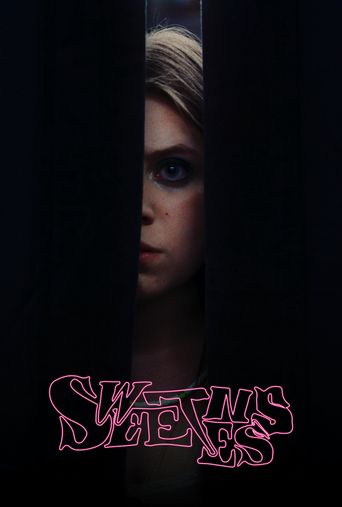
The film wants you to sit in that discomfort. It wants you to recognize how easily admiration can twist into something unrecognizable. One of the film’s greatest strengths is its young cast, who elevate the material beyond its familiar setup.
Herman Tømmeraas, delivers a breakout performance as the pop star at the center of the story. He brings a believable vulnerability to the role, portraying someone caught between public persona and private fear. His performance makes the character feel human rather than just an object of obsession, which is essential for the film’s emotional stakes. There’s a quiet charisma to him that explains why someone would become fixated in the first place.
Equally noteworthy is the supporting cast, particularly Justin Chatwin, best known for his role in Shameless. Chatwin brings warmth and grounded realism as the father figure, offering one of the film’s more emotionally authentic performances. His presence adds weight to the family dynamic and helps anchor the film when its more surreal or exaggerated elements threaten to drift too far into genre cliché.
Stylistically, Sweetness does an admirable job creating atmosphere. There’s a dreamlike quality to the cinematography that mirrors the distorted reality of obsession. The music, appropriately, plays a crucial role in building the emotional landscape. It helps immerse the viewer in the mindset of both the fan and the star, blurring the line between fantasy and reality.
However, despite these strengths, the film occasionally feels like it’s holding back. The tension builds effectively but doesn’t always reach the explosive payoff it seems to promise.
Where Sweetness succeeds most is in its tone. It maintains an uneasy feeling throughout, never allowing the audience to fully relax. Fans of contained psychological thrillers, especially those drawn to character-driven horror like Trap, will find plenty to appreciate here. Both films explore the idea of confinement—physical and emotional—and how people respond when control is stripped away.
Ultimately, Sweetness is a solid and engaging horror film, even if it never fully embraces the brutality its premise suggests. It’s elevated by strong performances, particularly from Tømmeraas, and thoughtful thematic ambition. While it may lack the full bite needed to make it truly unforgettable, it remains a worthwhile watch. It’s a film that understands obsession intimately, even if it stops just short of fully consuming its audience the way its characters consume each other.