 PopHorror Let's Get Scared
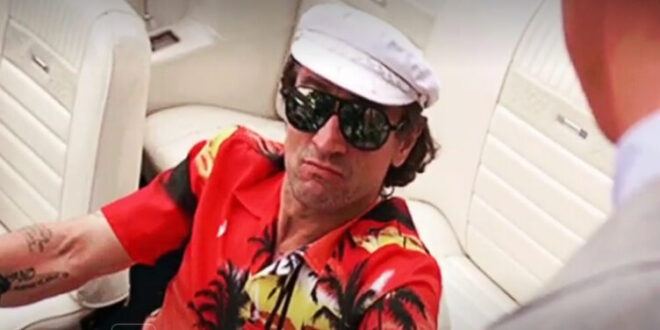
Martin Scorsese is best known for acclaimed crime dramas such as Taxi Driver and Goodfellas, but in 1991 he proved he could also master the psychological thriller with Cape Fear. Starring Robert De Niro, Nick Nolte, Jessica Lange, and Juliette Lewis, the film is a remake of the acclaimed 1962 classic, itself based on John D. MacDonald’s 1957 novel The Executioners. Rather than simply recreating the earlier film, Scorsese transformed the material into a somehow darker, morally ambiguous exploration of guilt, justice, and revenge.
The Basics of Cape Fear
The story centers on attorney Sam Bowden (Nick Nolte), who years earlier defended violent criminal Max Cady (Robert De Niro). Unknown to Cady until after his conviction, Bowden deliberately withheld evidence during the trial that Cady believes might have reduced his client’s sentence because Sam believed Cady deserved punishment. Fourteen years later, Cady is released from prison after spending his incarceration educating himself in the law, and he sets out to destroy the man he believes betrayed him.
Rather than immediately resorting to violence, Cady begins a relentless campaign of psychological intimidation against Sam, his wife Leigh (Jessica Lange), and their teenage daughter Danielle (Juliette Lewis). He carefully skirts the boundaries of the legal system, making it difficult for Bowden to stop him through lawful means. As the harassment intensifies, Sam is forced to confront not only Cady’s terrifying obsession but also the ethical failures that helped create the nightmare in the first place.
Robert De Niro’s Max Cady is Built Different
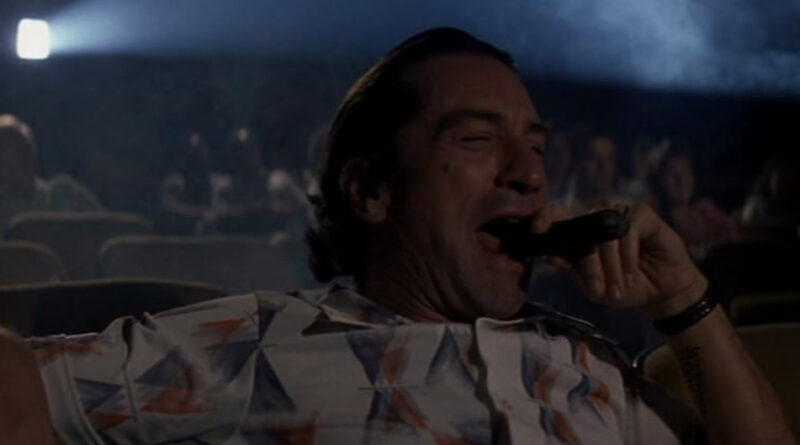
Much of the film’s reputation rests on Robert De Niro’s unforgettable performance as Max Cady, widely regarded as one of the most frightening roles of his career. De Niro underwent an extraordinary physical transformation, building an imposing physique through intense weight training. He famously paid a dentist thousands of dollars to intentionally damage and discolor his teeth for the role before spending even more to have them restored after filming. He also adopted a thick Southern accent and covered his body with religious tattoos symbolizing judgment, sin, and vengeance.
Unlike Robert Mitchum’s somewhat restrained portrayal in the 1962 original, De Niro’s Cady is theatrical, unpredictable, and almost larger than life (while at times being a little silly and “real,” which resulted in some parodies). He quotes scripture, legal texts, and classic literature while portraying himself as an instrument of divine justice, making him as intellectually intimidating as he is physically threatening.
Scorsese also deepened the story’s moral complexity. While Cady is undeniably monstrous, Sam Bowden is no longer the flawless hero depicted in the original film. His unethical decision to suppress evidence becomes the catalyst for the events that follow, forcing audiences to wrestle with difficult questions about justice, professional responsibility, hypocrisy, guilt, religious fanaticism, and the limitations of the legal system. Film critic Roger Ebert praised this moral ambiguity, arguing that it distinguished Scorsese’s version from the more straightforward original.
Another standout performance comes from Juliette Lewis, who was just 18 years old during production. Her portrayal of Danielle Bowden earned widespread acclaim and an Academy Award nomination for Best Supporting Actress. Her scenes opposite De Niro remain some of the film’s most unsettling, relying less on outright violence than on manipulation, seduction, and psychological intimidation to create suspense.
Visions of Fear
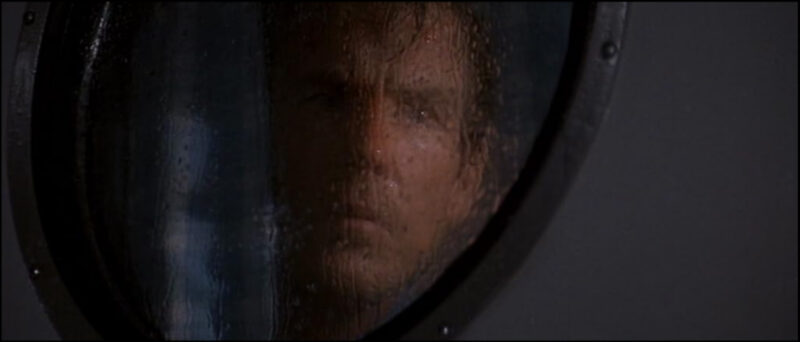
Visually, Cape Fear embraces the style of classic Hollywood thrillers while filtering it through Scorsese’s distinctive filmmaking approach. The film features bold expressionistic lighting, dramatic camera shots, vivid reds and blues, dreamlike imagery, and violent thunderstorms. Bernard Herrmann’s iconic score from the 1962 film was adapted by composer Elmer Bernstein, helping connect the remake to its cinematic roots.
Tapping into Herrmann is also a nod to Alfred Hitchcock. Scorsese is a big Hitchcock fan, once noting “the beauty of Hitchcock’s work is that the more subtle moments are even more powerful and more lasting,” a philosophy reflected throughout Cape Fear‘s carefully crafted suspense (though this film definitely has some less-than-subtle moments as well).
Tributes to the Original
Fans of the original movie are rewarded with several affectionate callbacks. Robert Mitchum, who portrayed Max Cady in 1962, appears here as Lieutenant Elgart, while Gregory Peck, the original Sam Bowden, plays Cady’s attorney. Martin Balsam, another veteran of the first film, also makes an appearance. These cameos acknowledge the original while emphasizing that Scorsese’s version is a reinterpretation rather than a scene-for-scene remake.
How Big it Was
Cape Fear was both a critical and commercial success. It grossed approximately $182 million worldwide against a relatively modest budget, becoming one of Scorsese’s biggest box-office hits. Robert De Niro also earned an Academy Award nomination for Best Actor, which would have been nice.
More than three decades later, Cape Fear continues to stand among the finest psychological thrillers of the 1990s. While some viewers still favor the lean efficiency of the 1962 original, Scorsese’s adaptation has earned its own reputation as a modern classic. Anchored by De Niro’s unforgettable performance, elevated by its moral complexity, and directed with extraordinary visual flair, Cape Fear demonstrated that Scorsese could bring his distinctive artistic voice to a Hollywood suspense film without sacrificing the thematic depth that defines his best work.