 PopHorror Let's Get Scared
There are plenty of film festivals where you can watch movies. The best ones give you something more.
At the 2026 HorrOrigins Film Festival in Tucson, Arizona, it was difficult to spend much time between screenings without finding yourself talking to a filmmaker, actor, writer, artist or fellow horror fan. Conversations started in the theater, continued into the lobby and often became introductions to someone else nearby.
That lively, welcoming atmosphere may ultimately be what HorrOrigins does best.
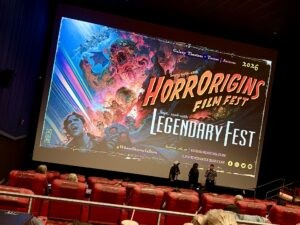
Held September 23–28 at Galaxy Theatres Tucson, HorrOrigins brought together independent horror, science fiction and thriller films alongside screenwriters, filmmakers and genre fans. Now in its eighth year, the festival has grown considerably since founder and festival director Brandon Waites launched it in 2019.
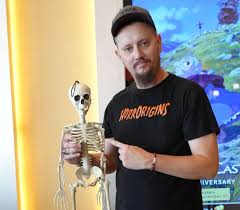
During the festival, I had the opportunity to sit down with Waites to talk about HorrOrigins, what he looks for when selecting films and, perhaps most importantly, what he wants filmmakers to get out of attending.
More Than the Movies
The 2026 schedule featured a mixture of feature films and shorts spread across multiple screening blocks, along with special screenings and Q&As. But packing a schedule with movies isn’t particularly difficult. Creating an environment where independent filmmakers actually meet one another—and where those interactions feel natural rather than forced—is much harder.
HorrOrigins succeeds at the latter.
There’s an intimacy to the festival that works in its favor. It’s large enough to attract filmmakers from around the country and beyond, but still small enough that the person sitting a few seats away may be the director of the movie you just watched.
That accessibility creates exactly the kind of networking independent filmmakers are constantly told they should be doing, without making it feel like a networking event. Watch a movie. Talk about it afterward. Meet the filmmaker. Meet someone else through them.
By the end of the weekend, familiar faces start appearing everywhere.
According to Waites, that’s not an accidental byproduct of HorrOrigins. It’s one of the reasons the festival exists.

Building a Horror Community
When I spoke with Waites during the festival, he repeatedly returned to two things he wants HorrOrigins to provide filmmakers: networking and experience.
For him, simply getting a movie onto a theater screen isn’t enough. He described HorrOrigins as something closer to a family, an idea that extends to his own wife and children, who are involved with the festival, as well as filmmakers who return year after year.
It’s easy for a festival to make those claims. At HorrOrigins, you can actually see it happening.
Filmmakers weren’t disappearing after their screenings. They were watching other people’s movies, talking with other creators and spending time around the festival. That participation gives the event much of its energy.
Waites also explained that when his team considers submissions, story comes first, followed by elements such as cinematography, sound, acting and runtime. There’s room for emerging filmmakers, too. A student production may not have the resources or technical polish of a larger independent film, but that doesn’t mean the storytelling—or the filmmaker behind it—should be overlooked.
That approach fits a festival called HorrOrigins particularly well. The finished movie matters, but so does discovering where a filmmaker might be headed next.
The Value of Showing Up
Perhaps the most interesting part of my conversation with Waites concerned something that can’t be submitted through FilmFreeway: showing up.
He strongly encourages filmmakers to attend festivals whenever possible. HorrOrigins itself prioritizes filmmakers and representatives who make the trip to Tucson, and after attending, it’s easy to understand why.
A screening might last ten minutes or two hours. The relationships formed around it can potentially last much longer.
Waites has seen those relationships turn into real opportunities, including connections between filmmakers and established industry professionals. That’s something a festival can offer beyond another laurel for a poster.
HorrOrigins began in 2019 in the Atlanta area, survived the pandemic-era shift to virtual festivals and eventually found its current home in Tucson. Waites described 2026 as its biggest year yet, with plans to continue growing, bring in more industry professionals and create additional opportunities for attending filmmakers.
The challenge will be growing without losing the accessibility that makes the festival work.

Where Horror Is Born
HorrOrigins uses the tagline “Where Horror Is Born.” After attending the 2026 festival, it feels appropriate for reasons beyond the movies being screened.
I saw some interesting films in Tucson. I also met filmmakers, actors, artists and other people who simply love horror. Conversations happened between screenings, in the lobby and seemingly everywhere else people gathered.
That’s what I’ll remember most about the weekend.
If you’re a horror fan, filmmaker, screenwriter, actor or artist looking for a genre festival where you can actually meet and talk with the people creating the work you’re watching, keep an eye on HorrOrigins as the 2027 schedule takes shape. See what’s playing, who’s attending and what the festival has planned.
You may find a movie you can’t wait to see. You may discover a filmmaker you’ve never heard of. And you may meet someone you’ll eventually work with on a film of your own.
The films bring everyone through the door. The community makes you want to come back.