 PopHorror Let's Get Scared
Some horror films frighten us with monsters, violence, or things lurking in the shadows. Others find their horror in something far more familiar: the human need to be loved, accepted, and understood. Writer/director Cassie Keet’s Abigail Before Beatrice (2025) belongs firmly in the latter category, delivering an intelligent, unsettling, and surprisingly compassionate psychological thriller.
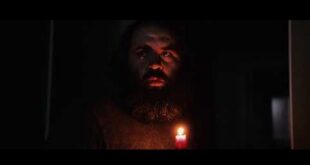
The film stars Olivia Taylor Dudley as Beatrice, a woman living an isolated existence after escaping a cult. When Abigail (Riley Dandy), another former member, contacts her with news that their charismatic leader, Grayson (Shayn Herndon), has been released from prison, Beatrice finds herself confronting a past that isn’t quite finished with her.
What follows is a fascinating examination of manipulation, belonging, and the complicated relationships people develop with those who hurt them.
A Remarkable Character Study
The film’s greatest achievement is Beatrice herself. Too often, characters with traumatic histories are reduced to familiar labels: damaged, broken, recovering, or healed. Beatrice refuses to fit into any of them.
She’s not necessarily happy, but she’s not entirely miserable. She’s neither completely innocent nor particularly guilty. She’s sympathetic without always being likable, vulnerable without appearing weak. She’s a collection of contradictions, much like the rest of us.
Dudley’s performance is exceptional. Her ability to communicate conflicting emotions without spelling everything out gives Beatrice a remarkable authenticity. Dandy is equally impressive as Abigail, bringing her own emotional complexity to a relationship that becomes increasingly uncomfortable to watch.
Keet wisely avoids conventional horror theatrics, allowing the characters and their histories to generate the tension. The result is a film that gets under your skin without needing to announce how disturbing it is.
It’s an excellent movie, elevated by terrific performances and unusually thoughtful writing.

Talking With Cassie Keet
I recently had the opportunity to speak with Keet about the film, her creative process, and the psychology behind its characters.
Keet explained that she’s been writing stories since childhood, but it wasn’t until the COVID-19 pandemic that she decided to pursue turning those stories into films.
Interestingly, Abigail Before Beatrice grew out of conversations with fellow students in her acting class. The group wanted to collaborate on something challenging, and Keet volunteered to write it. Because she knew the performers personally, the characters and actors became closely connected throughout development.
Their ambition was simple: create something provocative, emotionally challenging, and a little twisted.

Our conversation eventually turned to Beatrice’s unusual complexity, something I found especially compelling.
Keet explained that this was entirely intentional. She never wanted Beatrice defined simply as a victim or cult survivor. Instead, she wanted someone capable of good and bad decisions, contradictions, and uncomfortable emotions. She also credited Dudley with taking the character beyond what she’d originally imagined.
Keet has long been fascinated by cults, particularly the misconception that only unintelligent or vulnerable people become involved. As she pointed out, cult members come from every background. What often connects them is the desire to belong or feel special.
She also discussed a difficult teenage relationship that left her simultaneously feeling wanted and trapped. That emotional contradiction helped inform the film’s exploration of unhealthy attachments.
One particularly interesting detail involved Keet writing individual scenes depicting each female cult member’s introduction to Grayson. Although those scenes weren’t filmed, they gave the actresses a deeper understanding of their characters.
Asked what she was proudest of, Keet credited the entire cast and crew, describing the completed production as something of a miracle.

What’s Next?
Keet confirmed that Abigail Before Beatrice has secured distribution, although specific details cannot yet be announced.
That’s welcome news because this is a film deserving of a wider audience. Its thoughtful screenplay, outstanding performances, and refusal to simplify complicated human emotions make it one of those rare psychological thrillers that stays with you long after the credits roll.
Highly recommended.
For future screening and release announcements, visit the film’s official website.