 PopHorror Let's Get Scared
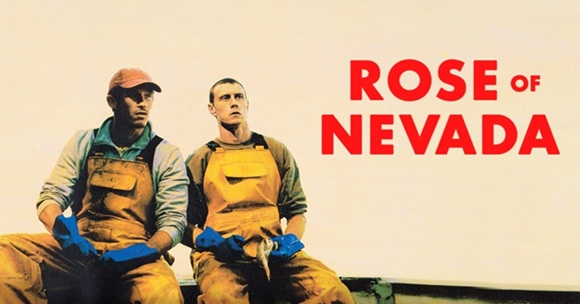
Rose of Nevada is a genuinely poetic movie that pushes the boundaries of the Groundhog Day-style time-travel narrative while carving out an identity completely its own. Rather than relying on the familiar mechanics that audiences have come to expect from the genre, the film approaches the concept through a more reflective and emotional lens. The result is a movie that feels thoughtful, ambitious, and surprisingly moving.
It makes a huge on-screen presence felt through its cast, particularly George MacKay and Callum Turner, who both deliver performances that elevate the material beyond a simple science-fiction premise. Combined with breathtaking visuals and a strong directorial vision, Rose of Nevada becomes something far more memorable than many of its genre contemporaries.
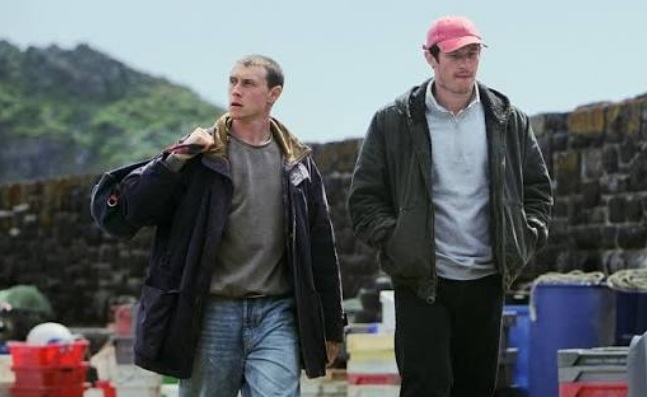
George MacKay continues to prove why he is one of the most compelling actors working today. Following his acclaimed work in 1917, he once again demonstrates an ability to carry a film through sheer presence and emotional authenticity.
Every scene feels grounded because of his performance, even when the story ventures into more abstract territory. Alongside him, Callum Turner delivers what could easily be viewed as a breakout performance. The chemistry between the two leads helps anchor the film, allowing audiences to connect with the characters even as the narrative challenges conventional storytelling expectations.
One of the film’s greatest strengths is its visual presentation. The cinematography is nothing short of earth-shattering. Nearly every frame looks like a carefully crafted painting, capturing both the beauty and mystery of the world these characters inhabit. There is a dreamlike quality to the imagery that perfectly complements the film’s themes of time, memory, and destiny.
The camera lingers on landscapes just long enough to allow viewers to soak in their beauty without ever slowing the pace. It’s the kind of cinematography that demands to be appreciated on the largest screen possible.
Director Mark Jenkin continues to establish himself as one of the most distinctive voices in modern British cinema. Following the atmospheric and haunting Enys Men, Jenkin once again crafts a story that feels deeply connected to folklore and place.
The British backdrop becomes a character in itself, with rugged coastlines, open landscapes, and isolated locations contributing to the film’s unique atmosphere. His direction never feels showy or excessive; instead, he trusts the audience to absorb the experience and interpret its deeper meanings.
What makes Rose of Nevada especially fascinating is how it recalls classic time-travel films without simply copying them. There are moments that evoke the spirit of The Final Countdown, particularly in the sense of wonder and uncertainty surrounding the temporal elements.
Yet the film remains firmly rooted in its own identity, focusing more on emotion and introspection than spectacle. It invites viewers to engage with its ideas rather than simply consume them.
This is also one of those rare films that benefits from reflection after the credits roll. It is not a movie designed to provide easy answers. Instead, it lingers in the mind, encouraging discussion and interpretation. The more time you spend thinking about it, the more rewarding it becomes. Much like a fine wine, Rose of Nevada continues to improve with age, revealing new layers and details upon reflection.
Overall, Rose of Nevada is a beautiful, ambitious, and visually stunning piece of filmmaking that deserves to be experienced on the big screen. Powered by exceptional performances, remarkable cinematography, and confident direction, it stands as one of the more unique takes on time travel in recent memory.
Overall Grade: 4/5 Stars